
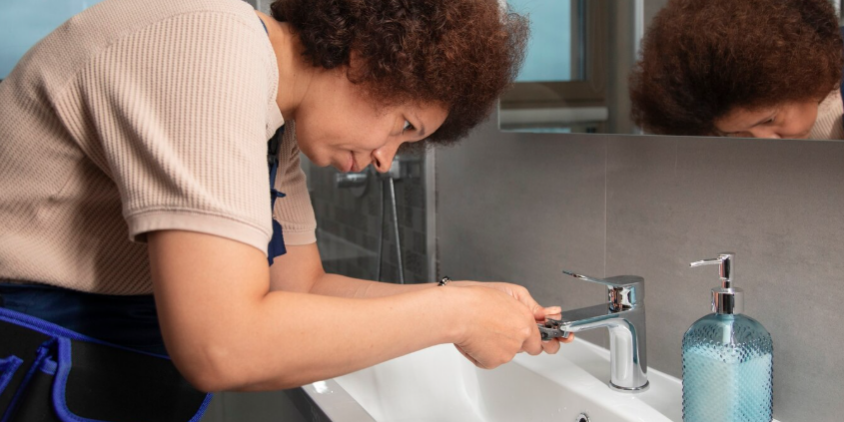
A faucet should give you steady water flow without drips, loose handles, or leaks under the sink. When trouble starts, the main choice is whether to fix the old fixture or fit a new one. If you are comparing Lowes faucet installation Illinois options, check the work included, the condition of your pipes, and the full cost before you decide.
What Signs Tell You That a Faucet Needs Attention?
A faucet does not always need replacement when something goes wrong. The type of leak often gives you a clue about the cause.
Watch for these common warning signs:
- Water keeps dripping after you turn the handle off.
- The handle feels loose or takes extra force to move.
- Water leaks around the faucet base or beneath the sink.
- The stream weakens even when you open the handle fully.
- Rust, cracks, or worn parts affect how the faucet works.
The leak’s location matters. A drip from the spout may point to a worn cartridge or seal. Water under the sink may come from a supply line, connection, or shutoff valve. These problems need different fixes, so identify the source before buying replacement parts.
Repairing a Faucet Can Cost Less Than Replacing It
A repair may suit a faucet that still works well but has one faulty part. A plumber might replace a worn cartridge, tighten a loose fitting, or change a damaged seal. This can restore normal use without the cost of a whole new fixture.
However, repeated leaks can signal that the faucet has reached the end of its useful life. Heavy corrosion, cracked parts, and hard-to-find components may make replacement a better choice.
Compare the likely repair cost with the price of a new faucet and its installation. Also, think about how long you plan to keep the fixture. If you are updating a kitchen or bathroom, a new model may fit your plans better. If the faucet is in good shape and needs one small part, a repair may be all you need.
What Should You Check Before Buying a New Faucet?
A faucet must fit the sink, water lines, and space around it. Choosing one based only on its looks can lead to extra work or an unsuitable fit.
Before you buy, check these details:
- Mounting holes: Make sure the faucet matches the holes in your sink or countertop.
- Spout reach: Confirm that the water will land in a useful spot inside the basin.
- Handle space: Leave enough room to turn the handles without hitting a wall or backsplash.
- Supply lines: Check whether the existing connections suit the new faucet.
- Shutoff valves: Look for signs of rust, leaks, or parts that may not close fully.
Older homes can present extra challenges. A valve may stick after years without use, and a corroded fitting may break when someone tries to remove it. A plumber can inspect these parts before the job begins and explain whether they need attention.
Bathtub Faucet Replacement Needs a Closer Look
A bathtub faucet has different parts and fitting needs from a kitchen or bathroom sink faucet. A steady drip from the tub spout may point to a worn valve or another part inside the system. A loose handle or water behind the trim may also need inspection.
Homeowners searching for Bathtub faucet replacement Illinois may want to stop a drip, update an old fixture, or improve the look of a bathroom. First, identify the type of setup. Some tub faucets connect to exposed pipes, while others attach to plumbing hidden behind the wall.
Replacing only the visible spout will not fix every leak. If water escapes from a valve or pipe inside the wall, the plumber may need to inspect that area and repair the faulty part. Hidden leaks deserve prompt attention because they can damage wall materials and nearby surfaces.
Before choosing a replacement, check the faucet type and valve setup. Matching the new parts to the existing plumbing can help avoid unnecessary changes.
How Much Does Faucet Installation Really Cost?
The final price depends on the faucet, the labor, and the condition of the existing plumbing. A simple replacement usually involves less work than a job that needs new valves, supply lines, or changes to the pipes.
Ask for an estimate that explains the main costs:
- Labor and installation
- The faucet and any extra parts
- Removal of the old fixture
- Repairs to damaged pipes or shutoff valves
- Testing for leaks after installation
If you compare Lowes faucet installation services with a local plumber, check the full scope of each option. Retail installation terms may depend on the product and location. A local plumbing contractor may also inspect related issues with valves, pipes, or nearby fixtures.
Do not compare prices alone. Ask what the quoted service covers and whether extra work will cost more. That way, you can make a fair comparison before approving the job.
Faucet Installation Requires Careful Testing
A standard faucet replacement involves turning off the water, removing the old fixture, fitting the new one, connecting the supply lines, and checking for leaks. The exact steps depend on the sink and faucet design.
After installation, the plumber should restore the water supply and test the faucet. This includes checking the handle, water flow, and connections beneath the sink. Any required seals should also be in place.
These checks matter because a small leak can go unnoticed inside a cabinet. Water may damage stored items or the cabinet base before you spot it. A careful final check helps catch problems while the work area remains easy to access.
Plumbing Checks Can Reveal Problems Beyond the Faucet
A new faucet will not solve a leak that comes from a damaged pipe or loose supply connection. In the same way, replacing a tub spout will not clear a blocked drain.
Look for damp cabinet floors, water stains, rusty fittings, or a musty smell near the fixture. If several drains clog or back up, the cause may lie farther along the drain or sewer line.
Do not force a stuck valve or fitting. You could damage the part and turn a small repair into a bigger job. If you cannot shut off the water, see active leaking, or notice water spreading near electrical equipment, keep clear of the hazard and seek urgent help.
A plumber can inspect the affected parts, explain what needs repair, and help you avoid paying for a replacement that does not address the actual fault.
Bottom Line
The best faucet solution depends on the source of the problem, the fixture’s condition, and the state of the plumbing around it. A worn cartridge may need a simple repair, while corrosion or hidden leaks may call for more work. Before choosing Lowes faucet installation Illinois or hiring a local plumber, compare the installation terms, likely extra costs, and work each option covers.
Northern Lakes Plumbing and Sewer serves homeowners and businesses in the Fox Lake, Illinois, area and nearby communities. The company handles plumbing repairs, fixture replacements, pipe work, and plumbing upgrades. Our team can help assess plumbing concerns and explain the work a job may require. Contact us to discuss your plumbing needs and request an estimate.
Frequently Asked Questions
- Should I repair or replace a leaking faucet?
Repair a faucet with minor wear or a faulty part. Replace it when corrosion, damage, or repeated leaks make repairs impractical.
- How long does faucet installation usually take?
A basic faucet replacement often takes one to two hours, but damaged valves, rusty fittings, or plumbing changes can extend the job.
- What affects the cost of faucet installation?
The faucet price, labor, supply lines, shutoff valves, removal needs, and unexpected plumbing damage can all affect the final installation cost.
- Can I replace a bathtub faucet without changing the valve?
Sometimes. A compatible spout or fixture may fit the existing setup, but a leaking or damaged valve may need repair or replacement.
- When should I call a plumber for faucet problems?
Call a plumber for persistent leaks, stuck shutoff valves, damaged pipes, hidden water leaks, or problems you cannot safely fix yourself.


